Is It Verity? Pattern Reading & Feedback Guide
Turn every placement into information—then finish the hidden order first.
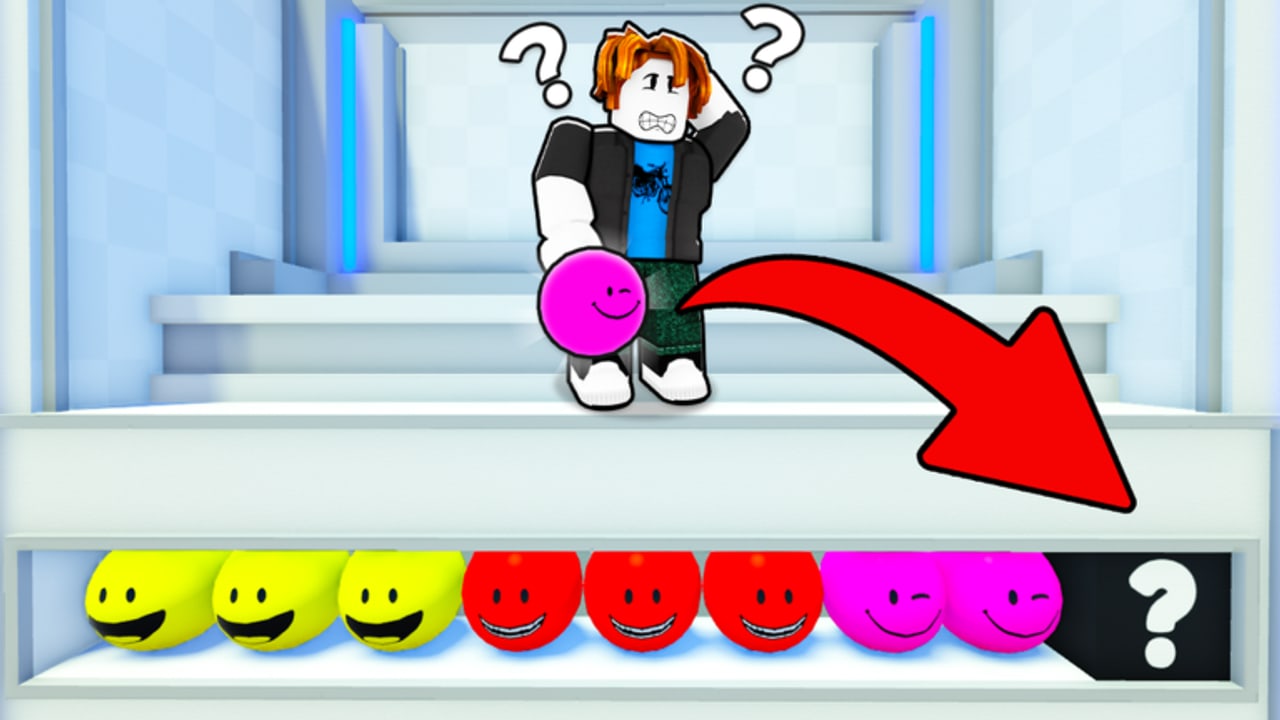
The skill that actually wins matches
Is It Verity? by Prince Creations is a race to crack a hidden pattern. Packs and tier lists matter, but the decisive skill is reading feedback: each Verity you place should shrink the possibility space before your opponent finishes.
This guide is the deep focus page for that skill. Pair it with How to Win for race pacing and Vs Bot for safe reps.
Official experience: Is It Verity? on Roblox (Place ID 135439033252889).
Mental model: ask questions, do not spam guesses
Think of every placement as a question with a cost (time). Good questions:
- Split large uncertainty into smaller sets
- Confirm or kill a strong hypothesis
- Protect a nearly complete order with a safe closer check
Bad questions:
- Repeat a placement that already failed for the same reason
- Random faces with no link to prior feedback
- Panic mirrors of whatever the opponent just did
If you cannot say what you hope to learn before you place, you are gambling—not reading.
Feedback loop in plain language
Exact HUD wording can change after [UPD] patches, but the player workflow stays consistent:
- Select a Verity from your six.
- Place it into the pattern puzzle.
- Read the result carefully—right energy, wrong slot, eliminated option, or progress toward the full sequence.
- Update your mental map of remaining possibilities.
- Choose the next Verity that answers the biggest remaining uncertainty.
- Repeat until the entire order locks.
New players often skip step 4. They see a result, feel emotion, and tap again. Champions pause—even for half a second—and integrate the information. Practice that pause in Vs Bot.
Opening phase: buy information cheaply
Early placements should be cheap information buys:
- Start with an anchor face you read reliably (often classic Verity-energy pieces from your collection).
- Avoid burning your designated closer on the first tap unless the board state already demands it.
- Prefer coverage across roles in the six so your first three questions are not the same color of idea—see Best Loadouts.
- Watch for patterns in your own mistakes: if you always open the same way, good opponents will adapt.
Opening is not about looking flashy. It is about entering the mid-game with a smaller puzzle than the opponent has.
Mid-game: eliminate branches hard
Once you have two or three results:
- Write a tiny mental shortlist of remaining orders (or keep a note nearby on PC).
- Use elimination-leaning Veritys (Falsity-line energy and cousins in your roster) to kill wrong branches quickly—Players Hub covers role tags.
- Do not protect a pet theory that feedback already wounded.
- If two hypotheses remain, pick the placement that distinguishes them in one move when possible.
Mid-game is where most live matches are decided. Players who “almost had it” usually failed to eliminate aggressively enough.
End-game: close without choking
When only a thin set of possibilities remains:
- Switch to your closer habits—faces you trust under time pressure.
- Double-check you are not about to re-place a Verity into a slot feedback already rejected.
- Keep eyes on your board first; opponent pace is a secondary signal only (Controls HUD priority).
- If you panic-misclick, reset posture for the next placement instead of rage-spamming.
Finishing clean beats finishing loud.
Loadout quality multiplies reading skill
Great readers with a muddy six still lose to average readers with clear coverage. Before you blame “RNG patterns”:
- Confirm your six has distinct roles (opener, eliminator, mid flex, stabilizer, closer, flex).
- Replace faces you never willingly click.
- Open packs only for the missing job—Packs Guide.
- Re-test the new six in Vs Bot before a long live session.
Tier bands on Verity Tiers help prioritize, but a face you misread is not S-tier for you yet.
Pattern votes and lobby puzzle variety
Some builds include pattern vote / pick flows in the lobby. Participate when prompted so you are not AFK-defaulted into puzzle types you never practice. Auto-vote scripts exist; they skip intentional practice and add risk (Scripts).
Variety is good for long-term reading skill. If you only ever solve one shape, the first unusual live pattern will freeze you.
Drill plan (repeatable)
Drill A — Narrated bot match
Play one Vs Bot match where every placement includes a spoken sentence: “I am testing X because Y.”
Drill B — No-repeat rule
In the next match, forbid repeating an identical failed idea. Force a new question each time.
Drill C — Forced bench face
Include one underused Verity from your collection and learn its feedback personality.
Drill D — Live application
Take the same rules into two live 1v1s. Review which rule broke under pressure.
Stack these drills after claiming daily rewards so practice sessions stay efficient.
Wrong-game warning
Pattern reading here means board feedback in a 1v1 duel. It does not mean decoding a horror ARG, surviving three nights, or hunting boxes in a field. If a video teaches axe defense or house building, it is a different Verity-branded Roblox title—see Not Other Verity Games and Official Links.
Related pages
- How to Win
- Vs Bot Practice
- Getting Started
- Best Loadouts
- Verity Tiers
- Controls
- Guides Hub
- Updates Hub
Read every result, ask better questions, and let your six serve the information plan. That is how pattern reading turns into finished boards—and finished boards into wins.
Frequently Asked Questions
Quick answers to the most common questions.
What is pattern reading in Is It Verity?
It is the skill of using each Verity placement's feedback to shrink the hidden order possibilities and finish before the opponent.
How do I practice pattern reading?
Use short Vs Bot matches with narrated placements, then apply the same pause-and-integrate habit in live 1v1.
Why do I keep losing even with rare Veritys?
Rare faces do not replace feedback discipline. A clear six plus elimination habits usually beats a trophy roster you cannot read.
Should I copy my opponent's placements?
Only when their move gives you information. Blind mirroring often wastes a turn on their hypothesis instead of yours.
Do updates change how feedback works?
UI labels and feel can shift after [UPD] patches. Re-run one bot readability check after updates before long grind sessions.